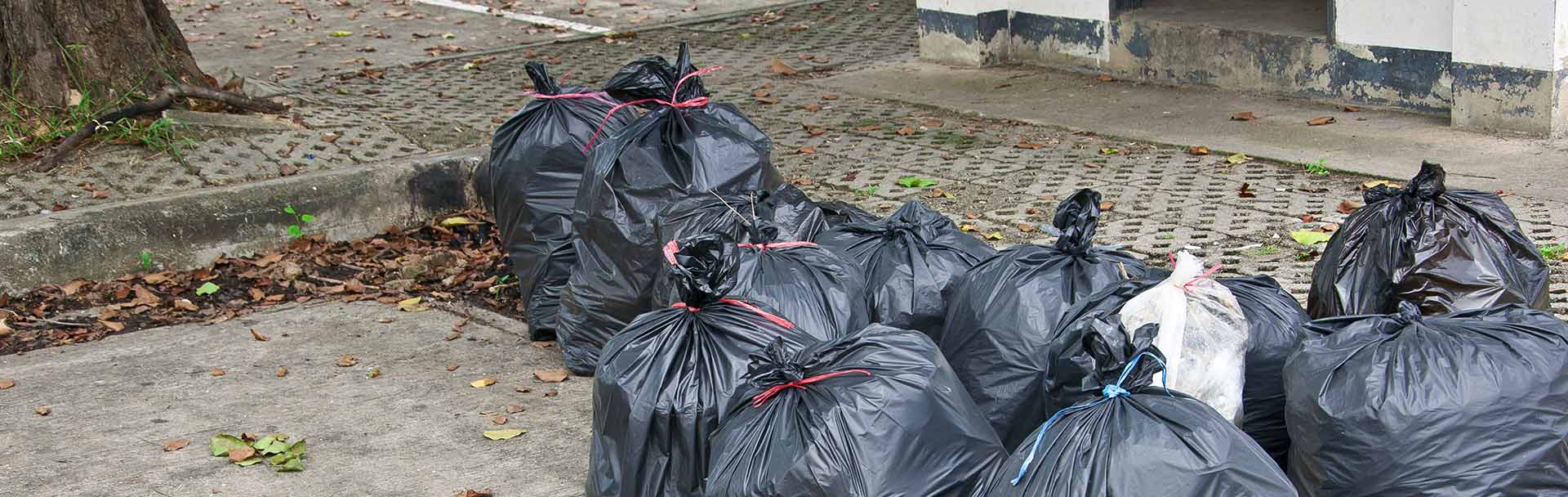
Rubbish Collection in Bow for households, businesses and clearances
Rubbish Collection Bow provides a practical way to arrange waste removal in Bow when you need items taken away without the hassle of dealing with transport, sorting or multiple trips. The service is suited to everyday household clearances, office waste, garden cuttings and trade rubbish, with a straightforward approach that focuses on collecting unwanted material and moving it on responsibly. If you want a clear starting point, you can review the services overview alongside the main collection options.
Our work is centred on making disposal simpler for customers who need a tidy and organised collection rather than a mixed set of one-off arrangements. That can include furniture, bagged rubbish, light construction waste and other general items that are ready to load, while keeping the process aligned to the type of waste involved. For pricing information, the prices page gives a useful overview of how the service is presented, and it is also sensible to read the recycling and sustainability page if you want to understand the company’s stated approach to reuse and disposal.
Before you request a quotation, it helps to think about what needs removing, where it is located and whether there are any access points or heavy items that may affect loading. A concise list is usually more useful than a long description, especially where the collection includes mixed materials or items with different handling needs. For a direct enquiry, please use the contact us page.
Household rubbish collection and general clearance
Domestic collections often start with a simple mix of items that have built up over time: broken household goods, bagged waste, packaging, small furnishings and the kind of clutter that is awkward to manage alone. A good collection service should be able to deal with those items in an orderly way, rather than leaving the customer to separate everything into several arrangements. When the waste is already gathered together, the work becomes more efficient and the final space is easier to put back into use.
Household rubbish collection is not only about volume. It is also about the type of material, the route out of the property and whether items can be moved safely without causing damage. In practical terms, that means a careful approach to loading, sensible handling of heavier objects and an understanding of what can be taken away together. If you are deciding between a general clearance and a more targeted service, the house clearance Bow page is a useful place to compare the scope of domestic work.
What to include when you ask for a quote
When requesting a quotation, include the main categories of waste rather than trying to describe every single item in detail. A short note on the size of the job, whether the items are upstairs or downstairs, and any parking or access concerns helps the enquiry make sense quickly. If you have a mixture of household and light commercial material, mention that clearly so the collection can be planned around it. This is the point where a clear summary tends to help more than a long narrative.
Garden waste removal and outdoor tidy-ups
Garden waste removal is often needed after pruning, seasonal tidying or larger outdoor clearances where branches, cuttings and green material need to be moved off site. It can also be useful when a garden has become cluttered with old pots, broken fencing sections or general outdoor debris that needs to be collected alongside the green waste. A well-organised collection helps keep the process manageable and avoids leaving smaller items behind.
Not all garden waste is identical, so it is helpful to think in categories. Soft green material can usually be grouped together, while timber, soil, rubble and mixed outdoor rubbish may need separate handling. That distinction matters because it affects loading, waste streams and the overall shape of the collection. The garden waste removal Bow page provides a dedicated route for customers who want outdoor rubbish removed in a way that matches the job rather than forcing it into a general description.
If the outdoor area contains a mixture of unwanted items, it can be worth preparing them into a few simple piles before the collection takes place. Branches, clippings and loose waste are usually easiest to assess when they are grouped together, and that can make the final discussion much clearer. Keep the explanation practical, not elaborate, and note any items that are especially heavy or awkward to carry. That gives the collection team a better basis for quoting and planning the work.
Office and business clearances in Bow
Office and business clearances often involve furniture, fixtures, filing material, packaging and redundant equipment that needs to be removed with minimal disruption. A commercial collection should be able to deal with workspaces that are changing use, closing, reorganising or simply clearing out accumulated items. The aim is usually a controlled removal that leaves the space ready for its next stage, rather than a rushed clear-out that creates more sorting afterwards.
For businesses, it is useful to separate general waste from specialist items before the collection is arranged. That does not mean you must organise everything perfectly, but it does help to identify furniture, electronics, archive material and mixed rubbish so the job can be approached sensibly. If the clearance includes workplace furniture and fittings, the office clearance Bow page gives a more focused view of that type of work, while the main waste removal Bow service covers broader rubbish collection needs.
Commercial customers often want an enquiry that is efficient as well as accurate. A compact list of the main items, the floor level, and whether the premises are easy to access is usually enough to start the conversation. If there are loading restrictions or items that need careful handling, mention them at the same time so the quotation reflects the real conditions. Keeping the request organised helps the collection proceed with fewer surprises and a better fit for the work involved.
About Bow
Bow is an East London district in the London Borough of Tower Hamlets, historically part of the county of Middlesex and later absorbed into the wider fabric of London’s eastward growth. Its name is commonly linked to Bow Bridge, and the area sits close to several well-known corridors of movement and trade, including the routes that connect Stratford, Mile End and the Lea Valley. Over time, Bow has shifted from a place shaped by older river and road patterns into a densely built urban neighbourhood with strong connections to neighbouring parts of East London. The area’s character reflects layers of industrial, residential and civic history, rather than a single defining style. Architectural traces of that development remain visible in a mixture of housing, post-war redevelopment and surviving historic landmarks. One of the best-known is St Mary-le-Bow, the church with medieval origins that gives the district one of its most familiar associations, although the site has been rebuilt and altered across the centuries. Bow is also known for the Bow Bells tradition, which has become part of London folklore. The district sits near the Regent’s Canal and the River Lea system, with waterways and associated paths contributing to the wider landscape of east London. Green space is provided by places such as Mile End Park on the western edge and the open areas around the canal, which give the dense urban setting a more varied feel. Bow Road and the surrounding streets bring together housing, local shops and transport links, while nearby market and commercial areas connect the district to the everyday rhythm of the borough. The result is a place that combines long historical continuity with the practical, lived-in quality of a modern inner-London neighbourhood.
Builders’ waste and heavier mixed loads
Builders’ waste needs a different approach from ordinary household rubbish because it often contains heavier, denser or messier material. Offcuts, broken plasterboard, timber, packaging from deliveries and mixed debris can all arise on a project, and those materials usually need collecting in a way that suits the site conditions. A proper removal service helps keep work areas clearer and reduces the burden of repeated lifting and disposal runs.
When a job includes renovation debris, it is useful to separate heavier waste from lighter clutter where possible. That does not mean preparing a perfect skip-like load, but it does mean identifying what the main waste streams are so the collection can be priced and managed appropriately. The builders’ waste disposal Bow page is the most relevant destination for this kind of work, especially where the collection follows decoration, refurbishment or small construction tasks.
For a quotation, the most valuable information is usually the type of material, the rough amount and any access issues that may affect loading. If the waste is spread across more than one room or level, say so plainly. That keeps the request grounded in the real job rather than an approximate guess. It also helps the service respond with a figure that is better matched to the actual clearance.
Pricing, quotations and what affects the cost
Waste collection prices are usually shaped by several practical factors: the amount of rubbish, the mix of materials, the time needed to load, and whether the items are easy to reach. A small load of bagged waste is not the same as a mixed clearance with furniture, awkward objects and heavier debris, so it makes sense for quotations to reflect the type of work rather than only the number of bags. Clear pricing information is useful because it helps customers compare jobs on a like-for-like basis.
It is also worth remembering that access can matter as much as the items themselves. Narrow stairways, restricted parking, upper-floor rooms and the need to move material through shared spaces can all influence how the work is approached. The pricing and quotes page is the most direct place to start if you want to understand how a quotation is typically presented, and the payment and security page adds further detail for customers who want to review that side of the process before they proceed.
Keeping the enquiry concise
A useful enquiry does not need to be long. A short description of the waste, a few photographs if requested, and a note of where the items are located can be enough to begin an accurate conversation. If the collection involves both bulky and light items, say which is more prominent. That kind of clarity keeps the response focused on the real job and gives you a quotation that is easier to assess.
Safety, access and responsible handling
Safe handling is important on every collection, especially where the items are heavy, awkward or stored in tight spaces. Good practice starts with careful movement through the property, sensible lifting and an awareness of surfaces, doors and shared areas that could be affected during the job. For customers, this means the collection is usually smoother when the route to the waste is reasonably clear and the items to be removed are easy to identify.
Some rubbish can be lifted and carried straightforwardly, while other materials may need more care because of weight, shape or condition. That is why it helps to think about access as part of the quotation rather than an afterthought. If you want to review the company’s stated approach, the insurance and safety page is the best place to look, and it sits alongside the broader about us information for customers who are comparing the service as a whole.
Where items are mixed, slightly damaged or difficult to move, it is better to mention that up front than to leave it out of the enquiry. Practical details such as stairs, narrow corridors and shared entrances are often the difference between a simple collection and one that needs extra care. A sensible quotation is easier to provide when the service can see the main obstacles before the work begins, so a careful description is usually worthwhile.
Choosing the right collection for your waste
Different types of rubbish call for different pages, because a household clearance, garden load, office removal and builders’ debris each bring their own handling needs. Choosing the right route first makes the conversation simpler and the quotation more relevant. A service page with a clear topic helps you avoid describing one kind of waste as though it were another, especially when the load includes several categories at once.
If you are unsure which option fits best, look at the main collection page alongside the more specific service pages and compare the examples of work each one is intended to cover. The rubbish collection Bow page is the central place for straightforward waste removal, while the waste removal Bow page supports a wider discussion of collection and disposal. That makes it easier to decide whether your job is a general load or a more specific clearance.
The most useful choice is the one that matches the waste you actually have. If your job is mostly garden material, use the garden page; if it is office furniture and paperwork, use the office clearance page; if it is construction debris, use the builders’ waste page. Matching the category early on keeps the enquiry tidy and helps the quotation reflect the right kind of work. When you are ready, use the contact page to request a quotation and provide the basic details in one clear message.
- We offer rubbish collection packages that can sort out absolutely any junk or rubbish you may have around your property, regardless of its material!
- Solutions to both disposal and transportation that may not be open to you without calling us first!
- Same-day offers that mean you can get everything tied up exactly when you need it and with no delay.
- Excellent consummate experts who know all the best approaches and ways to get you the results you’re looking for.
- Affordability like you’ve never seen before. We can even save you money with our value charges!
- The finest response times around, meaning we’ll be with you exactly when you need.
 Tipper Van - Waste Disposal and Rubbish Removal Prices in Bow, E3
 Luton Van - Waste Disposal and Rubbish Removal Prices in Bow, E3