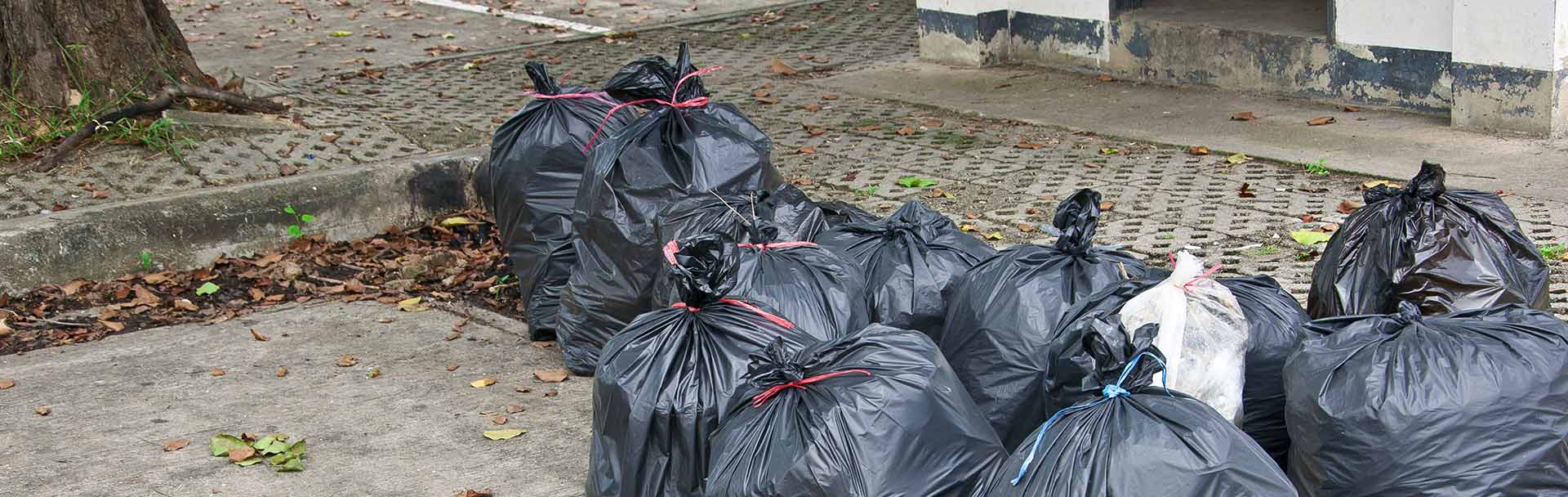
Tower Hamlets Council rules for Bow waste collection
Posted on 10/08/2026
Tower Hamlets Council rules for Bow waste collection: a practical local guide
If you live in Bow, manage a property here, or are simply trying to get rid of a awkward pile of rubbish without making a mess of it, the Tower Hamlets Council rules for Bow waste collection can feel strangely specific. Bags on the wrong day, the wrong item in the wrong bin, a bulky item left out too early - and suddenly the whole pavement becomes your problem. Not ideal.
This guide pulls the moving parts together in plain English. You will find how the system generally works, what matters most for Bow households and businesses, where people often slip up, and how to stay compliant without overthinking every wheelie bin decision. It also includes practical options when council collection is not the best fit, which, to be fair, happens more often than people expect.
One thing to keep in mind: council waste rules can change, and some details depend on your exact address, bin arrangements, and collection calendar. So use this as a strong working guide, then double-check the current local instructions if you are preparing a one-off clearance or a recurring waste routine.

Contents
- Why the rules matter in Bow
- How the system works in practice
- Key benefits and practical advantages
- Who this is for and when it makes sense
- Step-by-step guidance
- Expert tips for better results
- Common mistakes to avoid
- Tools, resources and recommendations
- Law, compliance and best practice
- Options, methods and comparison table
- Case study or real-world example
- Practical checklist
- Conclusion
- Frequently asked questions
Why Tower Hamlets Council rules for Bow waste collection Matters
Waste collection rules are one of those everyday systems you barely notice until something goes wrong. In Bow, that usually means a missed collection, a bin left full for days, or waste that has been sorted correctly by one person and rejected by another. The council's rules matter because they affect hygiene, street appearance, recycling performance, and whether your rubbish is actually collected on time.
They also matter because Bow is a busy place. Flats, terraces, maisonettes, shared entrances, side passages, shopfronts, and mixed-use buildings all create slightly different waste problems. A rule that is easy for a house on a quiet street may be less straightforward for a flat above a shop or a building with limited storage. That is why understanding the basics saves time, arguments, and a lot of unnecessary dragging of bags back and forth.
There is also a wider point here. Good waste management is not just about being tidy. It helps reduce contamination in recycling, keeps pavements safer, and cuts down the chance of pest problems. Nobody wants to open a communal bin store in July and get that warm, unpleasant smell drifting out. Let's not pretend that is rare.
If you are moving into the area or planning a property purchase, waste arrangements are worth checking early. They can affect day-to-day living more than people realise. For more local context about the area itself, you may find thinking about living in Bow useful, and if you are weighing up a move, Bow property insights can help you think beyond the front door.
How Tower Hamlets Council rules for Bow waste collection Works
At a practical level, the council system usually revolves around separated waste streams, collection days, and rules for where and when to place items. The exact setup can vary by property type, but the basic logic is consistent: ordinary rubbish goes one way, recyclable material goes another, and larger or specialist waste often needs a separate arrangement.
Most residents will need to understand a few core categories:
- Residual waste - non-recyclable household rubbish, typically placed in the general waste bin or sack provided for the property.
- Recycling - clean, dry recyclable materials such as packaging, paper, card, glass, metal, and certain plastics, depending on local instructions.
- Food waste - often collected separately where the property is set up for it.
- Garden waste - not always part of the standard household waste stream and often managed differently.
- Bulky waste - large items like furniture or appliances, which may require a special collection rather than a normal bin day.
In Bow, many collection issues come down to presentation. That means putting waste out correctly, at the right time, in the right container, and not blocking access for neighbours or crews. A bin lid that will not fully close, a bag left next to a full bin, or a box full of food residue can all create problems. It sounds minor. It rarely is.
If you are handling waste from a renovation, clear-out, or busy workspace, council collections may not be enough on their own. In those cases, a service like builders waste disposal in Bow or the broader waste removal Bow option may be more appropriate, especially where the volume is higher than a normal household collection would sensibly cover.
Another important practical detail is that some items are simply not meant for the standard bin at all. Fridges, sofas, mattresses, electricals, chemicals, and broken DIY materials often fall outside normal household collection arrangements. That is where people get caught out. One week it is an old chair by the door; the next it is a notice or a neighbour asking who left it there. Not lovely.
Key Benefits and Practical Advantages
Following the rules properly is not just about avoiding hassle. There are some very real advantages, especially in a place like Bow where access can be tight and shared spaces need a bit of common sense.
- Cleaner streets and shared spaces: Bags and bins managed properly reduce mess, spillages, and fly-tipping risks.
- Fewer missed collections: Correct sorting and timely presentation help reduce avoidable rejections.
- Better recycling outcomes: Keeping recyclables clean and separate increases the chance they are processed properly.
- Less conflict in shared buildings: Clear routines make life easier for neighbours, landlords, tenants, and managing agents.
- Safer access for crews: Crews can work more efficiently when waste is placed sensibly and access routes are clear.
There is also the time-saving benefit, which sounds obvious until you are the one trying to rearrange your week because of a bin that never moved. A small amount of planning prevents a lot of last-minute stress. That is especially true if you work long hours, have children, or live in a building where bin stores fill up quickly.
For residents who want to keep things simple and avoid mixing up rubbish streams, it can help to think of waste management as a weekly routine rather than a once-off chore. Repeating the same good habits is much easier than scrambling on collection morning.
And yes, there is a financial angle too. Missed collections, emergency clearances, or avoidable over-ordering can all cost more in the long run. If you are trying to keep an eye on budgets, how to avoid hidden rubbish collection fees in Bow is a useful companion read.
Who This Is For and When It Makes Sense
This guide is relevant to a wider group than you might expect. It is not only for homeowners with overflowing bins or people dealing with a one-off clear-out. In practice, the rules matter to almost anyone generating waste in Bow.
It is especially useful for:
- flat owners and tenants sharing bins or bin stores
- landlords managing multiple occupiers
- homeowners with limited storage or side access
- shop owners, market traders, and small businesses
- office managers dealing with regular paper, packaging, and WEEE-type waste
- gardeners or residents with seasonal green waste
- people moving house or clearing inherited property contents
For example, if you are clearing out a small office after a reorganisation, normal council waste may handle paperwork and light packaging, but not desks, broken chairs, or bulkier items. That is where a targeted service makes much more sense than forcing everything into one collection day. A similar point applies to domestic clearances; the right route depends on the volume, type, and timing of the waste.
Local context matters too. Bow has a mix of long-term residents, new renters, growing families, and businesses that generate different waste patterns. If you are a resident, you may care most about bin-day clarity. If you run a premises, you may care more about compliance and keeping the frontage tidy. Different problems, same basic need: a reliable system that fits the property.
Step-by-Step Guidance
If you want to stay on the right side of Tower Hamlets Council rules for Bow waste collection, the easiest approach is to build a simple routine. Here is a practical way to do it.
- Check what type of waste you have. Separate general rubbish, recycling, food waste, garden waste, and bulky items before you do anything else.
- Use the correct container. Do not overload one bin because another is full. That is usually where contamination and rejection start.
- Keep recyclables clean and dry. A takeaway box with food smears on it is less useful than a clean one. Small effort, big difference.
- Flatten cardboard where possible. It frees up space and makes collection easier, especially in shared bin areas.
- Put waste out at the right time. Early placement can create obstruction or complaints. Too late, and you may miss the crew altogether.
- Do not leave prohibited items by the bins. If an item needs special handling, arrange the correct route instead of hoping someone else will deal with it.
- For bulky or unusual waste, plan ahead. Sofas, mattresses, and renovation waste can need a separate collection or disposal method.
- After collection, reset the space. Move bins back, close lids, and make sure shared areas are left tidy.
That last point sounds small, but it makes a real difference in communal settings. A clean bin area signals that everyone is following the same rules. A messy one usually means trouble is not far behind.
If you are dealing with a large domestic clear-out rather than weekly household rubbish, it may be simpler to use a professional clearance option such as house clearance in Bow. For workspaces, office clearance Bow may be the more sensible route, especially if you need fast removal with minimal disruption.
Expert Tips for Better Results
In our experience, the biggest waste problems are rarely caused by one dramatic mistake. They usually come from lots of small lapses. The good news is that the fix is not complicated.
Use a bin-night habit. Pick a consistent time, maybe after dinner on the evening before collection, to check lids, bags, and any loose recycling. If you do this while the kettle is on, even better. A tiny routine becomes automatic after a while.
Keep a separate holding spot for awkward items. One corner, one box, one designated spot. Do not mix broken hangers, batteries, and half-empty paint tins into normal rubbish just because it is easier in the moment.
Think in terms of contamination. A small amount of food waste in recycling can affect the whole batch. That is why clean sorting matters. It is not council fussiness for its own sake; it is about whether the load can be processed properly.
Watch access on narrow streets and shared entrances. Bow properties often have tight footways, railings, or communal doors. Waste should never block a route that residents, prams, or wheelchairs need to use. It sounds obvious. Apparently, it needs saying.
For garden work, keep green waste separate. If you have cuttings, branches, soil, and general household waste all together, you create a far more awkward disposal job. A dedicated option such as garden waste removal Bow can be cleaner and easier when the pile is larger than a normal bin can sensibly handle.
Choose the disposal method before the pile grows. It is easier to manage three bags and a chair than a room full of "I'll deal with it later" items. That line has caused more mess than most people admit.
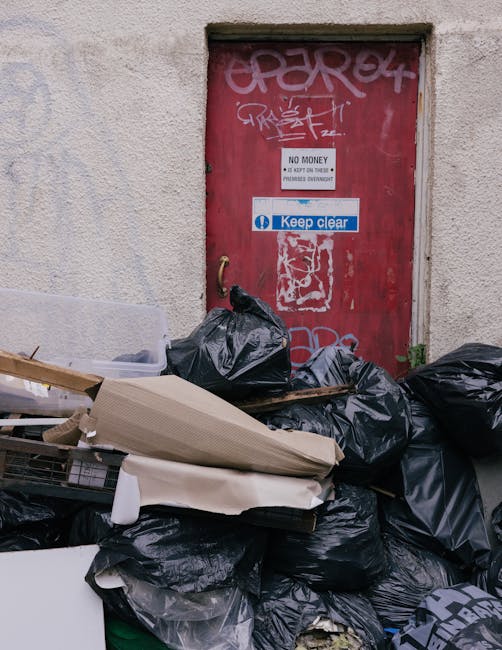
Common Mistakes to Avoid
Most issues are preventable if you know what to look out for. Here are the usual offenders.
- Mixing waste types together. Recyclables, food waste, and general rubbish should not be treated as one big container of doom.
- Leaving waste out too early. This can create obstruction, attract animals, or annoy neighbours.
- Overfilling bins. If the lid cannot close, the collection may not happen.
- Ignoring bulky item rules. Large furniture or appliances often need separate handling.
- Dumping renovation waste in household bins. That is one of the quickest ways to create a real problem.
- Forgetting communal responsibilities. In shared buildings, everyone's habits affect the whole block.
- Assuming all waste is collected the same way. It usually is not.
There is a common temptation to "just put it out and hope." Most of the time, that only delays the problem. Sometimes it creates a new one altogether. If you are sorting out a property at the same time as a move, local area articles like the charming secrets of Bow can remind you why keeping the street tidy really matters; it is part of the neighbourhood feel, not just a practical chore.
Tools, Resources and Recommendations
You do not need a complicated system, but a few simple tools make waste management much easier.
- Labelled bags or boxes: Useful for separating recycling, soft plastics, and household rubbish before collection day.
- A basic household calendar: Keep collection reminders where everyone can see them.
- Reusable gloves: Helpful for moving bins or handling sharp packaging safely.
- Storage tubs for batteries and small electricals: Handy for keeping hazardous items away from normal rubbish.
- Enclosed containers for loose lightweight waste: Stops items blowing around the street before collection.
If you need a broader understanding of service options, the services overview is a practical starting point, and the recycling and sustainability page is useful if you want to improve how you separate waste over time.
For people comparing professional disposal routes, it is worth reviewing pricing and quotes so you can judge whether a one-off clearance is better value than trying to manage everything through repeated smaller lifts. And if safety or trust is a concern, insurance and safety gives helpful reassurance.
One more small but useful recommendation: keep a photo of your bin area on a normal week. It makes it easier to spot changes, encroachment, or access issues after building works, deliveries, or a neighbour's rearrangement. A bit nerdy maybe, but effective.
Law, Compliance and Best Practice
Waste handling is not just a housekeeping issue; it is also a compliance issue. In the UK, householders, landlords, and businesses all have duties to manage waste responsibly. The exact legal requirements depend on the waste type and who produced it, but the broad principle is simple: waste should be stored, sorted, and removed in a way that avoids nuisance, pollution, and fly-tipping.
For Bow residents, best practice usually means following local collection instructions closely, keeping recycling uncontaminated, and arranging separate disposal for items that do not belong in normal domestic waste. For businesses, the standard is higher because commercial waste is usually expected to be documented and handled through appropriate routes.
There are a few practical compliance habits worth adopting:
- never assume an item is allowed in the general bin just because it is small
- separate hazardous or potentially harmful materials from everyday rubbish
- keep records if you are a business arranging regular waste removal
- use registered and reputable disposal routes for larger or specialist loads
- do not leave waste on public land or beside communal bins without checking rules first
This is also where professional support can be useful. If the job has moved beyond "ordinary bin day" into something bigger, using a proper disposal service can reduce the risk of non-compliance and the awkward aftermath that comes with it. There is a reason people call after the mess has already started. Usually because they waited one day too long.
Options, Methods and Comparison Table
Different waste situations call for different methods. Here is a simple comparison to help you choose the right one.
| Method | Best for | Advantages | Limitations |
|---|---|---|---|
| Council household collection | Routine home waste and recycling | Convenient, familiar, low-effort | Limited for bulky or specialist items |
| Bulky waste arrangement | Single large items or occasional clear-outs | Suitable for furniture and large objects | Needs planning and correct item selection |
| Garden waste removal | Seasonal cuttings, branches, green waste | Cleaner than mixing with household rubbish | May not suit mixed clear-outs |
| House clearance | Moves, downsizing, probate, full clear-outs | Efficient for large volumes | Not always necessary for minor waste |
| Office clearance | Workspaces, storage rooms, fit-outs | Fast removal of mixed commercial items | Needs more planning than routine bin use |
| Builders waste disposal | DIY, refurbishments, renovation debris | Designed for heavy and awkward loads | Not suitable for normal household waste |
The right choice is not always the cheapest on paper. It is the one that actually fits the job. A small clean-up can use standard waste collection. A half-finished renovation with rubble, timber, and packaging probably should not. That mismatch is where people waste time, money, and energy.
Case Study or Real-World Example
Here is a simple, realistic example from the kind of situation that comes up all the time in Bow.
A small independent stall near Roman Road finishes a busy weekend and is left with cardboard, packaging, damaged display pieces, and a few awkward items that will not fit neatly into normal waste containers. The team initially tries to stack everything by the back entrance, thinking it can wait until Monday. By Sunday evening, the space looks cramped, delivery access gets awkward, and the pile starts to drift into the walkway.
Instead of letting it become a larger problem, they split the waste into categories, remove the clear recyclable packaging first, and arrange a proper clearance for the bulky bits. The result is not dramatic. That is the point. It just works. The entrance stays clear, the stall is ready for the next session, and nobody has to improvise under pressure.
That kind of sensible step-by-step approach is exactly why local planning matters. If you want to read more about a related situation, this Roman Road market stall clearance story gives a good sense of how practical waste handling supports day-to-day trade.
Practical Checklist
Use this quick checklist before collection day or before arranging a larger disposal job.
- Have I separated general rubbish, recycling, food waste, and bulky items?
- Are all bins and bags being used according to the local setup?
- Are any items likely to need special handling?
- Have I kept food residue out of recycling?
- Is the waste being placed out at the correct time?
- Will the bin area remain clear for neighbours and crews?
- Do I need a one-off service for large, heavy, or unusual items?
- Have I checked safety issues such as sharp edges, broken glass, or heavy lifting?
- For business waste, do I need an organised disposal route rather than standard household collection?
- Have I made a plan for what happens after the collection, not just before it?
If you can tick most of those off without much effort, you are probably in good shape. If not, it might be time to simplify the routine.
Get a free quote today and see how much you can save.
Conclusion
The Tower Hamlets Council rules for Bow waste collection are really about keeping things clear, safe, and predictable. Once you understand the basics - what goes where, when to put it out, and when to use a separate disposal route - the whole system becomes much easier to live with.
Bow is a busy, varied part of London, and waste needs vary just as much as the people who live and work here. The best results usually come from small habits: sort early, stay consistent, and do not force the wrong item into the wrong collection just because it feels easier in the moment. That shortcut nearly always comes back around.
If you are handling a bigger clear-out, a garden project, or a workspace refresh, taking a bit of extra time to choose the right disposal method can make the entire job calmer and cleaner. Honestly, a neat bin area and a clear pavement can improve the feel of a whole street. Small things, but they matter.
And if you only remember one thing, let it be this: the best waste routine is the one you can repeat without stress.

 Tipper Van - Waste Disposal and Rubbish Removal Prices in Bow, E3
 Luton Van - Waste Disposal and Rubbish Removal Prices in Bow, E3