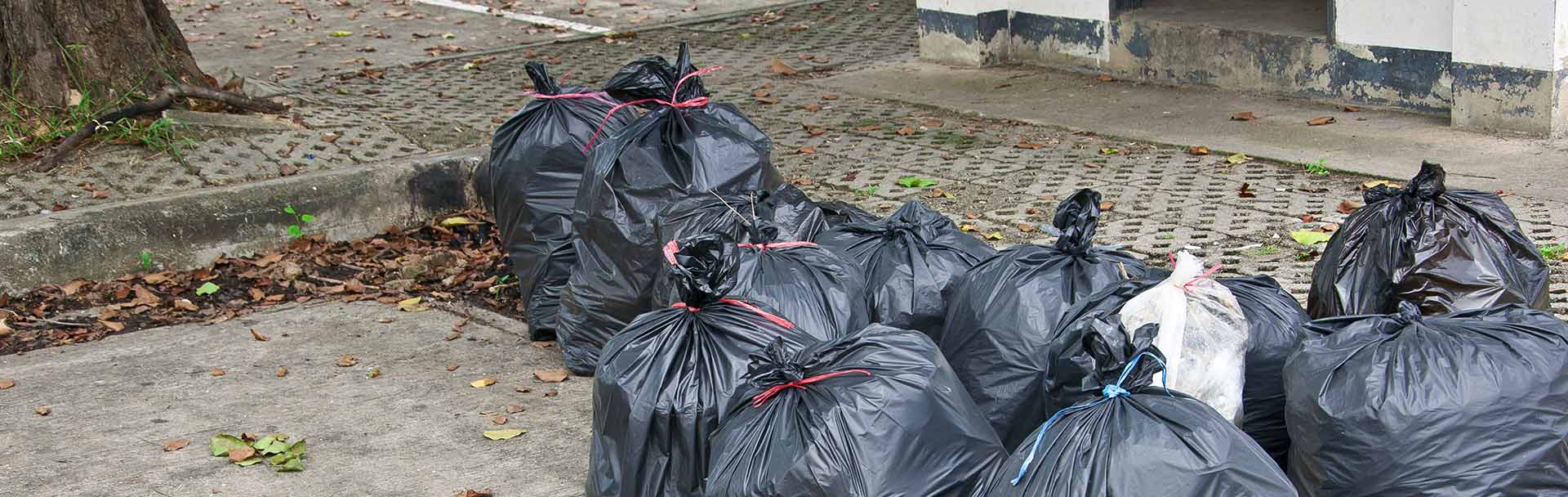
Roman Road market stall rubbish clearance success story
Posted on 03/07/2026

If you have ever walked past a busy market pitch at the end of trading, you will know the scene: broken boxes, food wrap, black sacks, damaged stock, and a stubborn little pile of waste that somehow seems to grow while everyone is packing up. The Roman Road market stall rubbish clearance success story is really about what happens when that mess stops being a problem and starts being a smooth, repeatable process.
In a place like Roman Road, where traders need to move fast, keep walkways clear, and leave the area tidy for the next day, rubbish clearance is not a background task. It is part of the trading rhythm. Done well, it protects reputation, reduces stress, and keeps the market feeling welcoming for customers and neighbouring businesses. Done badly, it creates delays, safety issues, and the sort of Friday-afternoon chaos nobody wants. This guide breaks down how a successful market stall clearance typically works, what benefits it brings, and what practical steps help make it run without drama. Truth be told, a tidy close-down can feel oddly satisfying.
Why Roman Road market stall rubbish clearance success story Matters
The short version? Market stalls generate waste in a way that is messy, compressed, and time-sensitive. Cardboard builds up quickly. Packaging gets crushed underfoot. Food waste needs separating. Broken display materials and damaged stock can get in the way. If that waste lingers, even for a short while, it can make the whole market look unmanaged.
A successful clearance story matters because it solves more than the visible rubbish. It improves the flow of the trading day. It helps stallholders reset faster. It keeps loading areas usable. It reduces the chance of trip hazards, blocked access routes, and complaints from passers-by. And if you are a trader, organiser, or property manager nearby, those little things add up fast.
Roman Road is the kind of place where presentation matters. Customers notice the atmosphere. They notice smells, clutter, and whether a stall feels cared for. A clean end-of-day routine sends a message that the trader is organised, reliable, and respectful of the shared space. That might sound simple, but it has real commercial value.
There is also a practical business angle. Traders who get waste off-site efficiently can reuse their time better, avoid last-minute pile-ups, and spend more energy on what actually sells. More trading, less dragging bags around. That is the kind of success story people remember because it saves time every single week.
If you are looking at broader waste planning for the area, the approach often fits neatly alongside local waste removal and rubbish collection in Bow, especially when regular pickups are easier than emergency clean-ups. For larger commercial clear-outs, the wider services overview can help you think through what level of support makes sense.
How Roman Road market stall rubbish clearance success story Works
At a basic level, it works by separating the waste problem into small, manageable actions. Instead of waiting until the end of the day and dealing with a mountain of mixed rubbish, successful traders build clearance into the trading routine.
Usually that means four things happen in sequence:
- Waste is sorted as it is created. Cardboard, soft packaging, food waste, damaged goods, and reusable items should not all end up in one bag unless there is no other practical choice.
- Collection points are kept close by. A stall with nowhere to put empty boxes will become cluttered. It is almost guaranteed.
- End-of-day removal is quick and planned. Bags and bulky items are moved at the right time, not after the stall has already become congested.
- Anything unsuitable for standard bins is handled separately. That can include bulky packaging, broken shelving, discarded display units, or stock that cannot be reused.
In a successful setup, the trader or market team knows exactly what happens to each waste stream. That is the real trick. Not fancy, just clear. When people know what goes where, the whole process becomes calmer and faster.
For market stalls that also deal with mixed commercial waste from fit-outs, seasonal changes, or repairs, it can help to view the clearance as part of a wider waste plan. In some cases, that overlaps with waste removal in Bow or even more specialist support such as builders waste disposal in Bow if a stall has had a refit, broken fixtures, or construction debris nearby.
What a smooth clearance day looks like
Picture the end of a busy Saturday. Boxes are flattened, bags are tied, reusable stock is set aside, and nothing is left spilling into the walkway. The stallholder is not scrambling for extra hands. A collection vehicle or waste team knows where to stop. Loading is brief. The pitch is left clear enough for the next setup or for a cleaner to come through without trouble.
That is the success story in miniature. Nothing dramatic. Just a well-managed close-down that prevents the same problem from repeating tomorrow.
Key Benefits and Practical Advantages
The benefits go well beyond looking tidy, although that matters too. To be fair, a smart clearance process can change how the whole stall operates.
- Better customer experience: Shoppers are more likely to stay, browse, and return when the market feels clean and organised.
- Safer walkways: Reduced clutter means fewer trip hazards, less blocked movement, and easier access for staff and customers.
- Faster end-of-day pack-down: When waste has a place and a plan, closing up is far less stressful.
- Less cross-contamination: Food waste, cardboard, and reusable materials are easier to separate when sorting starts early.
- Better use of space: Stalls feel bigger when they are not slowly disappearing under packaging and offcuts.
- Improved reputation: A clean pitch says something positive about the trader's standards. People notice.
- Less neighbour friction: Nearby traders, residents, and market users are less likely to complain when waste is cleared promptly.
There is also a quieter benefit: peace of mind. Once a stallholder trusts the system, they stop worrying about the pile at the back of the pitch. That matters on long trading days when everyone is already juggling customers, weather, and stock. Honestly, the mind likes order more than we admit.
Who This Is For and When It Makes Sense
This kind of clearance approach makes sense for a wide range of people, not just full-time market traders. It is useful for anyone dealing with regular commercial waste in a tight public space.
- Market stallholders who generate cardboard, packaging, food waste, or damaged stock.
- Temporary traders who set up and break down frequently.
- Event traders who need quick turnaround after pop-ups or seasonal markets.
- Market managers who want cleaner shared spaces and fewer complaints.
- Local businesses running nearby promotions, stalls, or road-side displays.
- Property owners or landlords dealing with waste left behind after short-term use.
It also makes sense when waste is starting to interrupt trading rather than simply follow it. If you are spending too long moving rubbish, if customers are stepping around stacks of boxes, or if disposal is becoming a weekly headache, the process probably needs tightening up.
For traders who also manage premises or storage nearby, related services such as office clearance in Bow or house clearance in Bow may be useful for off-site stock rooms, back offices, or mixed-use spaces. Not every waste issue starts at the stall itself.
Step-by-Step Guidance
If you want a practical route to a better result, keep it simple and consistent. Here is a workable structure that many traders can adapt.
1. Map the waste you actually create
Before changing anything, look at the real waste streams. What are you throwing away most often? Cardboard? Plastic wrap? Food scraps? Broken display pieces? Damaged produce crates? Once you know the types, you can plan the right containers and collection timing.
2. Create a sorting system that fits the stall
You do not need a museum-level organisational setup. You need something practical. Even a few clearly labelled bags or containers can make a huge difference. The point is to stop mixing everything together unless there is a good reason.
3. Reduce waste before it reaches the ground
Reuse boxes where possible. Break down cardboard early. Keep reusable wrapping separate from general rubbish. Small habits are the difference between a neat stall and a pile that gets out of hand by midday.
4. Plan the end-of-day handover
Decide who moves what, when, and where it goes. This matters more than people think. If everyone assumes someone else will deal with the bags, well, you can guess what happens next.
5. Use a reliable clearance method for bulky items
Some waste is too awkward for standard bins. That is where a planned bulk removal option is useful. For example, broken shelving, oversized packaging, or leftover stock materials can be handled separately through a proper clearance route rather than being wedged into a corner and forgotten.
6. Review the result after a few trading days
Look for the bottlenecks. Is the stall still cluttering at the back? Are the bags too small? Is the collection timing awkward? The best systems improve over time. They are rarely perfect on day one.
A good local waste partner can also help you think through regular pickup patterns and one-off clearances. If you need a broader approach, pricing and quotes can be helpful when comparing the cost of routine collection with occasional ad hoc removal.
Expert Tips for Better Results
These are the little improvements that often make the biggest difference. Not flashy. Just effective.
- Flatten cardboard immediately. Do not let it sit in a heap. It eats space fast.
- Keep a designated bag for oddments. Tape, twine, labels, broken clips. The random stuff has a way of taking over.
- Make the waste route obvious. Staff should not have to ask where something goes every time.
- Separate reusable from disposable materials at source. Once they are mixed, reuse gets much harder.
- Choose collection timing around trading peaks. An awkward pickup can slow everything down.
- Use sturdy bags and containers. Weak bags cause spills, and spills create more work. Simple as that.
- Keep the pitch clear at all times. A few minutes of tidiness during trading prevents a bigger mess later.
One small, very human tip: if you are tired and rushing, stop for ten seconds and look at the stall from the customer's side. You will notice the clutter almost immediately. Strange how a fresh pair of eyes, even your own, can be useful after a long day.
For traders who care about greener practices, the recycling and sustainability page is a useful reminder that waste handling is not only about removal; it is also about what can be diverted, reused, or handled more responsibly.
Common Mistakes to Avoid
Most clearance problems are not caused by one huge mistake. They come from lots of small ones that keep repeating. The good news? Once you spot them, they are usually fixable.
- Mixing all waste streams together: This makes sorting slower and disposal less efficient.
- Leaving clearance until the very end: By then, the pitch is already crowded and people are tired.
- Using bins that are too small: It seems fine in the morning and then becomes a problem by lunch.
- Ignoring bulky waste: Old fixtures, broken signage, and excess stock materials do not magically disappear.
- Assuming someone else has arranged disposal: That assumption causes more stress than anything else.
- Forgetting access and timing: If a vehicle cannot get close enough, the whole process slows down.
- Not checking what can be recycled: Recyclable materials often end up in general waste by default, which is a missed opportunity.
A quieter mistake is not reviewing the system after a few weeks. Market trading changes with seasons, promotions, and stock. What worked in winter may not work in summer. A system that never gets reviewed becomes a system that quietly slips.
Tools, Resources and Recommendations
You do not need a warehouse of specialist equipment, but a few sensible tools can make the process much easier.
| Tool or Resource | Why It Helps | Best Use |
|---|---|---|
| Heavy-duty waste bags | Less risk of tearing and spillage | General stall waste and mixed light rubbish |
| Foldable crates | Useful for keeping reusable stock separate | Pack-down and transport |
| Clearly labelled containers | Supports faster sorting | Cardboard, recyclables, food waste, odds and ends |
| Gloves and basic PPE | Helps with hygiene and handling | Moving sharp or dirty materials |
| Collection schedule | Reduces clutter buildup | Regular market close-downs |
| Waste contractor checklist | Prevents missed steps | Planning larger or irregular clearances |
For businesses wanting a broader view of service options, the insurance and safety information can be reassuring, especially if clearance involves loading, lifting, or waste movement in tight spaces. It is the sort of practical detail people sometimes skip until they really, really need it.
If you are building a longer-term plan around stall operations, the main about us page can also help you understand the kind of company behind the service, which matters when you are trusting someone with regular site access and waste handling.
Law, Compliance, Standards, or Best Practice
Waste handling in the UK is not something to treat casually. While the exact responsibilities can vary depending on the waste type and the setup, traders and businesses generally need to make sure waste is stored safely, handled responsibly, and passed to the right people for collection or disposal. That includes not leaving waste where it may cause obstruction, hygiene issues, or unnecessary risk.
For market stalls, the practical best practice is usually straightforward: keep the area tidy, separate waste where possible, avoid contamination, and use a lawful disposal route that matches the type of material involved. If waste contains food residues, sharp items, or mixed commercial debris, it deserves a bit more care than a standard household bag would get.
It is also wise to think about access, manual handling, and public safety. A clear route for removing rubbish is not just tidier; it is safer for staff and customers. If you are arranging repeat clearances, the provider should be able to explain how waste is collected, handled, and managed in a way that makes sense for the site.
Best practice also includes being honest about what a stall generates. If the waste stream changes with the season, with event days, or with stock changes, the disposal plan should change too. A static approach often fails. Markets are not static places.
For policies and terms related to the service relationship, it can be sensible to review the terms and conditions and the privacy policy, especially where bookings, data, or service expectations are involved. It is boring paperwork, yes, but boring paperwork is often where clarity lives.
Options, Methods, or Comparison Table
Different stall setups need different rubbish clearance methods. There is no one-size-fits-all answer. Here is a simple comparison to help you think it through.
| Method | Best For | Pros | Limitations |
|---|---|---|---|
| On-stall sorting with standard bins | Small, steady waste volumes | Low effort, easy to maintain | Can overflow if trading gets busy |
| Scheduled regular collection | Busy stalls with predictable waste | Reliable, keeps space clear | Needs planning and consistency |
| One-off bulky waste removal | Refits, stock changes, damaged items | Good for awkward materials | Not ideal for day-to-day waste |
| Combined waste and recycling system | Stalls aiming for better sustainability | Can reduce landfill waste | Needs discipline and clear labelling |
In many cases, the best answer is not choosing one method forever. It is combining them. For example, a stall might use basic sorting during trading, a weekly collection for routine waste, and a separate clear-out for bulky or seasonal items. That is usually where the process starts to feel genuinely under control.
Where a stall forms part of a bigger site or mixed-use operation, house clearance in Bow and office clearance in Bow can be relevant analogies for planning how different waste streams get handled. Different setting, similar logic: sort, remove, and leave the space ready for the next use.

Case Study or Real-World Example
Here is a realistic example of how a Roman Road market stall rubbish clearance success story might unfold. A trader selling mixed goods notices that by mid-afternoon the back of the stall starts filling up with flattened boxes, wrapping, damaged display pieces, and unsold stock packaging. Customers are still browsing, but the space feels tighter every hour. Staff are stepping around bags. Pack-down at the end of the day takes longer than it should.
The trader changes the routine. Cardboard gets flattened as soon as it is empty. Reusable crates are stacked in one corner. Loose wrapping and small waste go into separate containers. A clearer collection time is arranged so the waste is removed before the pitch becomes congested. A plan is also made for bulky items, so nothing awkward is left "for later," which, as we all know, often means never.
After a few trading days, the stall feels calmer. The walking space improves. Closing time is less frantic. Staff spend less time carrying rubbish back and forth and more time actually serving customers. The pitch looks tidier in the final hour, which helps with presentation right when footfall can still matter.
Expert summary: the success is rarely about removing more rubbish. It is about removing the right rubbish at the right time, using a system that fits the stall rather than fights it.
That is the real lesson. Not a dramatic transformation, just a practical one. But practical wins are the ones that stick.
Practical Checklist
Use this as a quick end-of-day or weekly check for market stall rubbish clearance.
- Cardboard flattened and stored in a designated place
- Food waste separated from dry waste where possible
- Reusable stock and containers kept apart from rubbish
- Bagged waste tied securely and ready for collection
- Bulky items identified early, not left to the last minute
- Walkways and customer paths kept clear
- Staff know who is responsible for each clearance task
- Collection timing fits the stall's trading pattern
- Recycling opportunities reviewed regularly
- Any safety issues reported and handled promptly
If you can tick most of those boxes consistently, you are already ahead of the curve. If not, no panic. Start with the easiest two or three and build from there. That is usually the least painful route.
Conclusion
The Roman Road market stall rubbish clearance success story is really a story about control, clarity, and consistency. A stall that handles waste well usually feels better to work in, better to shop at, and better to return to the next day. It saves time, lowers stress, and helps traders present their business in the best possible light.
What makes the difference is not a complicated system. It is a sensible one. Sort early. Clear on time. Remove bulky items properly. Review what works. Keep the pitch clean enough that it supports trading rather than getting in the way.
If you are dealing with recurring market waste, bulky packaging, or a stall that is beginning to feel cluttered at the edges, now is a good time to simplify the process and make it more reliable. Small improvements can change the whole flow of a trading day, and that tends to spill over into everything else too.
Get a free quote today and see how much you can save.
And if you do nothing else, start by clearing one corner properly. Funny how often that is the moment the whole stall feels lighter.
 Tipper Van - Waste Disposal and Rubbish Removal Prices in Bow, E3
 Luton Van - Waste Disposal and Rubbish Removal Prices in Bow, E3