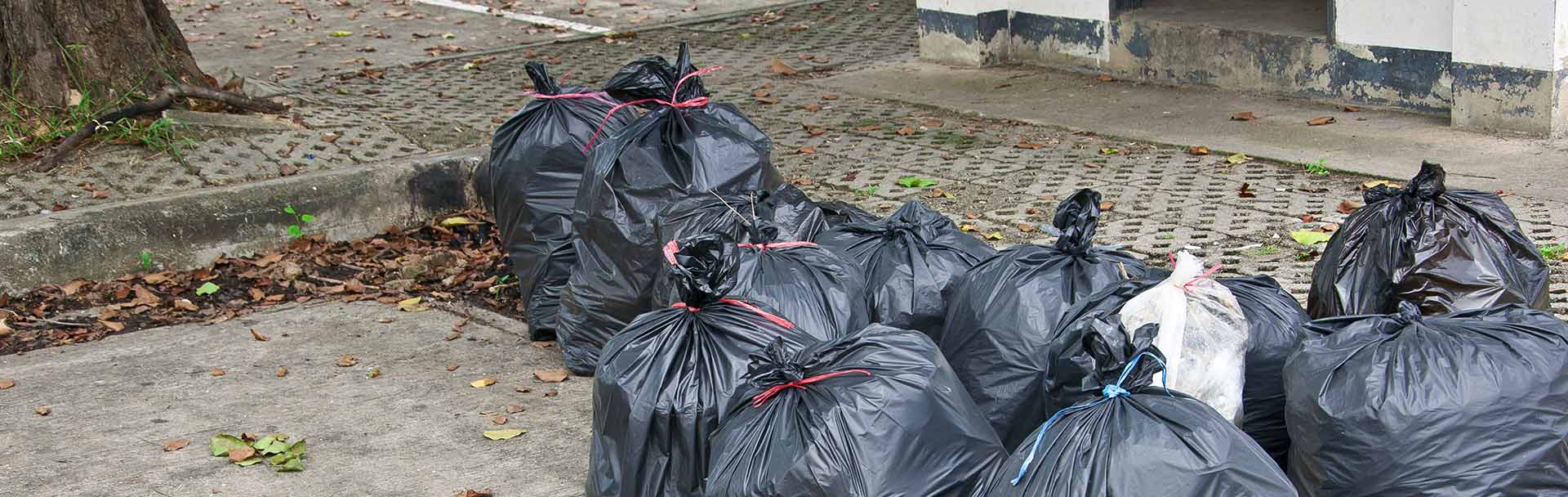
How to avoid hidden rubbish collection fees in Bow
Posted on 17/07/2026
How to Avoid Hidden Rubbish Collection Fees in Bow
If you have ever booked waste removal and then stared at the final bill thinking, "Hang on, where did that extra charge come from?", you are definitely not alone. Hidden rubbish collection fees can turn a simple job into an annoying, expensive surprise. In Bow, where homes, flats, shops, and small businesses all deal with different access issues and rubbish types, knowing how to avoid hidden rubbish collection fees in Bow can save you money, time, and a fair bit of frustration.
The good news? Most surprise charges are avoidable. You just need to know what to ask, what to check, and what a proper quote should actually include. This guide breaks it all down in plain English, with practical steps you can use before you book, during the booking process, and on collection day itself.
We will also look at how pricing normally works, what reputable providers should explain clearly, and which warning signs suggest a quote may look cheap but land badly later. Truth be told, the cheapest quote is often the one that needs the most reading between the lines.

Why How to avoid hidden rubbish collection fees in Bow Matters
Hidden fees matter because rubbish removal is rarely just about lifting a few bags and driving away. In Bow, jobs can involve basement flats, shared entrances, busy streets, limited parking, narrow stairways, or mixed waste streams. Any of those details can affect the final price if they are not discussed clearly from the start.
A quote that looks straightforward at first can become more expensive if the provider later adds charges for labour, waiting time, heavy items, restricted access, disposal of bulky waste, or an unexpected load size. That is why price transparency is not a "nice to have". It is part of getting decent service.
For residents comparing options, it helps to start with a clear view of the service scope. A good place to build that understanding is the services overview, which gives a broader sense of what rubbish removal and related clearance work can involve. If you are dealing with a specific type of project, such as a flat clearance or a business cleanout, the details matter even more.
And there is another reason this topic matters locally. Bow has a mix of long-term residents, renters, landlords, shop owners, and builders. That means collection needs can change fast. One week you are clearing old furniture; the next you are dealing with broken fittings after a refurbishment. If your provider does not ask enough questions, the risk of add-ons rises quickly. Fair enough, nobody enjoys that phone call after the job.
Expert summary: The best way to avoid surprise rubbish collection charges is to insist on a written, itemised quote, disclose every access or loading complication upfront, and confirm exactly what counts as chargeable extra work before collection day.
How How to avoid hidden rubbish collection fees in Bow Works
To avoid hidden fees, you first need to understand how rubbish collection pricing is usually built. Most providers base quotes on a combination of waste volume, weight, labour, access difficulty, and disposal costs. The exact mix varies, but the same principle applies: the more uncertainty there is, the more room there is for extras.
For example, a small pile of household waste left neatly at the kerb is easier to price than a full flat clearance from a third-floor property with no lift. If a company only sees a quick photo and not the full picture, they may protect themselves with vague wording or add charges later. That is not ideal, obviously.
A transparent process usually looks like this:
- You describe the waste accurately, including item types and rough quantity.
- You explain access conditions, parking restrictions, stairs, lifts, and timing constraints.
- The company gives a written quote that states what is included.
- You confirm whether there are any possible extras and what triggers them.
- The crew arrives, checks the waste against the description, and carries out the job.
If the description was accurate and the quote was honest, the price should stay close to what you expected. If not, the gap tends to appear around labour time, additional weight, or items not mentioned at the start.
This is also where service type matters. A garden clearance, for instance, can behave very differently from an office clearance or a builders' waste job. If your rubbish is mixed with rubble, timber, plasterboard, or soil, you should expect a provider to ask more questions. For specific project waste, it can help to look at specialist pages like builders waste disposal in Bow or garden waste removal in Bow so you understand how different jobs are typically scoped.
Key Benefits and Practical Advantages
Knowing how to avoid hidden rubbish collection fees in Bow gives you more than just a cheaper bill. It gives you control. And, to be fair, that is often what people actually want when booking waste removal: certainty, not surprises.
- More predictable costs: You can budget properly because the quote is clearer.
- Less stress on the day: No awkward back-and-forth about unexpected add-ons.
- Better comparison shopping: You can compare providers on the same basis, not just the headline price.
- Fewer disputes: Clear terms reduce misunderstandings.
- Faster booking decisions: When the price structure is clear, you can move ahead with confidence.
- More suitable service selection: You can match the job to the right solution, whether that is a full clearance or a simple collection.
There is also a practical side people sometimes overlook. A transparent quote often reflects a more organised provider overall. They are more likely to have sensible insurance, decent safety practices, and a proper approach to waste handling. Those things are not glamorous, but they matter. They really do.
If you are weighing up different clearance routes, a general waste removal option may suit mixed domestic waste, while a house or office clearance may be better when you need a fuller service. The more you match the service to the job, the less likely it is that hidden fees will sneak in later.
Who This Is For and When It Makes Sense
This advice is useful for anyone in Bow who is paying for rubbish removal privately or through a landlord, contractor, or business arrangement. That includes:
- homeowners clearing lofts, garages, sheds, or kitchens
- renters moving out and trying to keep deposit deductions down
- landlords arranging end-of-tenancy clearances
- estate agents and property managers coordinating pre-sale or pre-let tidy-ups
- shop owners and office managers dealing with bulky commercial waste
- builders and tradespeople managing refurbishment debris
It makes the most sense when the waste is mixed, the access is awkward, or the timing is tight. Those are exactly the conditions where unclear pricing can cause friction. A simple kerbside bag collection is one thing. A fourth-floor flat, two wardrobe carcasses, and a broken mattress in a live parking zone is another entirely.
If you are living in the area or considering a move, local context helps too. Bow has a strong residential feel, but the housing stock and street layout vary a lot, which affects access and loading. If you want more background on the area itself, the articles on thinking of living in Bow and the charm of Bow as a London suburb offer useful local perspective.
Step-by-Step Guidance
If you want a practical way to protect yourself, follow this process before you book anything.
1. Make a full list of what needs removing
Do not just say "a bit of rubbish". Break it down. List furniture, black bags, white goods, garden waste, building rubble, broken items, and anything awkwardly shaped. If something is heavy or difficult to lift, say so. This one step removes a lot of pricing fog.
2. Take clear photos from several angles
Photos help, but only if they show the whole load. Stand back, include surrounding space, and show access routes if possible. A close-up of one chair is not much use if the real issue is that it sits on the top floor of a narrow staircase.
3. Ask what is included in the quoted price
Do not assume. Ask whether the quote includes labour, loading, disposal, VAT if applicable, congestion or parking issues, and any minimum charge. If the answer sounds vague, pause. A proper provider should be able to explain the basics clearly without making you feel like you need a decoder ring.
4. Ask what counts as an extra
This is where hidden fees often hide in plain sight. Ask about extra weight, difficult access, wait times, additional items found on arrival, dismantling, and special waste. If you have anything unusual, mention it early. Old paint tins, plasterboard, fridges, and mixed construction debris can change the job.
5. Get the quote in writing
Verbal estimates are easy to misunderstand. A written quote helps protect both sides. It also gives you something to compare against if a revised price appears later.
6. Confirm the job scope before the team arrives
If circumstances change, tell the provider before the crew turns up. Maybe the pile got bigger. Maybe there is another item in the shed. It happens. Better to be upfront than debate it on the pavement in front of the neighbours.
7. Check the final invoice before paying
Make sure the final amount matches the agreed scope. If something has changed, ask for a clear explanation. A decent company will explain the reason calmly and clearly.
For payment clarity and customer confidence, it is also worth reviewing a provider's pricing and quotes information and their payment and security approach before committing.
Expert Tips for Better Results
Here is where a bit of experience goes a long way. The jobs that run smoothly usually have one thing in common: no one is guessing.
- Use itemised descriptions, not vague labels. "One sofa, one armchair, two mattress toppers, eight bags" is better than "household waste".
- Be honest about access. If the lift is out, say so. If parking is tight, say so. It matters.
- Ask whether the quote is fixed or estimated. A fixed quote is easier to work with when the scope is known.
- Check whether stair carry charges may apply. They often do where the job involves several flights and no lift.
- Separate special items early. Fridges, mattresses, rubble, and paint can be priced differently.
- Think about timing. Rush jobs, late bookings, or awkward collection windows can increase cost in some cases.
A small practical tip: if you can, clear a path to the waste before the crew arrives. It saves time, and time is often where extra cost starts to creep in. Not always, but often enough.
For larger clearances, especially when a property is being emptied rather than just tidied, it can help to compare house clearance in Bow with simpler one-off collection services. The right fit can reduce wasteful charges and avoid paying for more labour than you need.

Common Mistakes to Avoid
A lot of hidden fees are not really "hidden" at all. They are just the result of assumptions. Here are the common traps.
- Giving a rough estimate that is too rough. "A small amount" can mean very different things to different people.
- Forgetting to mention access issues. Stairs, no lift, parking restrictions, and long walking distances all affect the job.
- Assuming all waste is treated the same. It is not. Mixed waste and specialist items often cost differently.
- Choosing a quote only because it is cheapest. A low headline price can hide extra labour or disposal charges.
- Not reading the terms. Even a quick scan can reveal chargeable conditions.
- Leaving items to be discovered on the day. That is the fastest route to a "we'll need to revise the price" conversation.
There is also a subtle mistake people make with timing. They wait until the last minute, then accept the first available quote. That can work, but it removes your leverage. If you can plan a little ahead, you will usually get a cleaner quote and a calmer process. Nice and boring. Which is exactly what you want here.
Tools, Resources and Recommendations
You do not need special software to avoid surprise fees. A few simple tools and habits are enough.
- Phone camera: Take dated photos of the waste and the access route.
- Notes app or checklist: Keep a running list of what needs removing.
- Measurements: Roughly measure bulky items if you are unsure how large they are.
- Email record: Keep the written quote and any follow-up messages in one place.
- Comparative questions: Ask each provider the same set of questions so you can compare properly.
In terms of what to look for in a provider, good signs include clear wording, calm explanations, and a willingness to discuss edge cases without being defensive. If you need more background on the company itself, the about us page is a useful place to check approach and values.
If your waste needs sorting for sustainability reasons, you may also want to understand how materials are handled. The recycling and sustainability page can help set expectations around responsible disposal practices.
Law, Compliance, Standards, or Best Practice
While this article is focused on avoiding hidden fees, there is a compliance angle worth keeping in mind. Waste must be handled responsibly, and reputable operators should be able to explain how they manage collection, transport, and disposal in line with normal UK expectations. You do not need to become a waste-law expert, but you should expect honest answers about what happens to your rubbish.
Best practice in this area usually includes clear pricing, accurate descriptions of waste types, safe lifting and loading, and sensible handling of items that need special treatment. If a provider is vague about how waste is processed, that is not a brilliant sign. Likewise, if they avoid explaining their terms and conditions, take that seriously.
It is also fair to check insurance and safety arrangements when a job involves lifting heavy or awkward items. A professional waste team should be able to work safely and explain what precautions they take. If you want to understand that side better, their insurance and safety page is worth reviewing.
For readers who value ethical operations, some companies also publish statements covering wider business conduct. That does not directly affect collection fees, but it can tell you something about how seriously they take standards. Sometimes the quiet details are the useful ones.
Options, Methods, or Comparison Table
Different booking methods suit different situations. If you are trying to avoid hidden charges, the key is choosing the method that gives you the most clarity for your type of waste.
| Method | Best for | Hidden fee risk | What to check |
|---|---|---|---|
| Photo-based quote | Small to medium domestic jobs with clear access | Medium | Make sure the photos show the full load and access route |
| On-site quote | Large, mixed, or awkward clearances | Low to medium | Confirm whether the site visit is free and whether the quote is fixed |
| Phone estimate | Simple, standard loads | Higher | Ask what assumptions the estimate depends on |
| Service-package booking | House clearance, office clearance, or builders waste | Lower if scoped well | Check what is included, especially labour and access conditions |
If you are comparing general removal with more specific services, the distinction matters. A broader waste removal in Bow booking may suit mixed domestic waste, while office clearance in Bow can be the better route for commercial premises where furniture, paperwork, and equipment all need different handling.
Case Study or Real-World Example
Here is a very typical scenario. A resident in Bow needs a flat cleared before moving out. They have a sofa, a disassembled bed frame, four black bags, a broken desk, and a few odds and ends from the hallway cupboard. On the phone, they describe it as "a bit of clutter". The provider gives a quick ballpark figure.
On collection day, the team arrives and discovers two extra issues: the flat is on the third floor with no lift, and there is limited parking outside. The original quote did not clearly account for either. The final price rises, and the customer feels misled. Not necessarily because the company was being deliberately sharp, but because the job was under-described from the start.
Now compare that with a better approach. The customer sends photos, lists every item, mentions the stairs, and asks whether labour, loading, and disposal are included. The provider explains the likely charge structure in advance, and any extras are discussed before booking. No drama. No awkwardness at the kerb. Just a job done properly.
That difference is the whole point. Hidden fees usually do not come from the rubbish itself. They come from unclear communication. The rubbish is innocent, really.
For a more community-focused example of how proper clearance can support local businesses, you may find the story of a tidy-up around a market stall in this Roman Road clearance story useful as a practical illustration of planning ahead and clearing efficiently.
Practical Checklist
Use this checklist before you confirm any rubbish collection booking in Bow.
- Have I listed every item that needs removing?
- Have I included photos that show the full load and access?
- Have I mentioned stairs, lifts, parking, and walking distance?
- Have I asked what the quote includes?
- Have I asked what could trigger an extra charge?
- Have I checked whether the price is fixed or estimated?
- Have I confirmed how special items are priced?
- Have I kept the quote in writing?
- Have I checked the provider's terms and conditions?
- Have I made sure the collection window works for me?
- Have I looked at payment and security details?
- Have I chosen the service type that best fits the job?
If you can tick most of those off, you are in a strong position. If not, pause and ask a few more questions. It takes a minute. It can save a lot more than a minute later.
Conclusion
Hidden rubbish collection fees in Bow are avoidable in most cases, but only if you approach booking with a little care. Be specific. Ask direct questions. Get the quote in writing. Mention access issues early. And do not let a low headline price distract you from the real cost of the job.
That simple habit protects your budget and makes the whole process calmer, especially in a busy area like Bow where access, parking, and property layout can all influence the final bill. The best providers will welcome clear information because it helps them quote properly. That is usually a good sign.
If you are planning a clearance soon, take ten minutes now to prepare the details properly. Future-you will be grateful, and honestly, so will the collection team.
Get a free quote today and see how much you can save.

 Tipper Van - Waste Disposal and Rubbish Removal Prices in Bow, E3
 Luton Van - Waste Disposal and Rubbish Removal Prices in Bow, E3